Edge-loading brush fatigue
No single stroke ever remains perfectly consistent, as the running record rancho cucamonga painting contractor bera online holds shows that the edge of a brush loses its volume during long sessions of paint work in Rancho Cucamonga, CA. The mechanics of the bristles dictate that fluid migrates toward the center of the brush head, leaving the perimeter thin. This phenomenon causes streaks and uneven sheen across a wall surface. A clean line requires constant management of this depletion.
The Physics of Edge Loading
Gravity and capillary action pull the liquid toward the ferrule during extended periods of use. As the bristles at the tip lose their reservoir, the mil thickness of the applied layer drops. This creates a visible transition between the heavy center of the stroke and the thin periphery. In a long cutting in session, the tip dries faster than the core, leading to a ragged line that fails to hold a sharp boundary against the ceiling or trim. The liquid must stay evenly distributed through the hair to maintain a steady flow.
Managing Material Viscosity
The type of material used changes how quickly the edge thins. A heavy latex or acrylic coating stays on the bristles longer than a thin wash. If the job requires a satin or semi gloss finish, the visual impact of a thinning edge becomes much more apparent. A flat finish hides some of these inconsistencies, but a high sheen reveals every variation in the wet edge. The viscosity of the paint determines how much the liquid resists migrating away from the tips. Thicker coatings provide better resistance to edge fatigue but require more physical pressure to load the brush properly.
Loading Techniques for Consistency
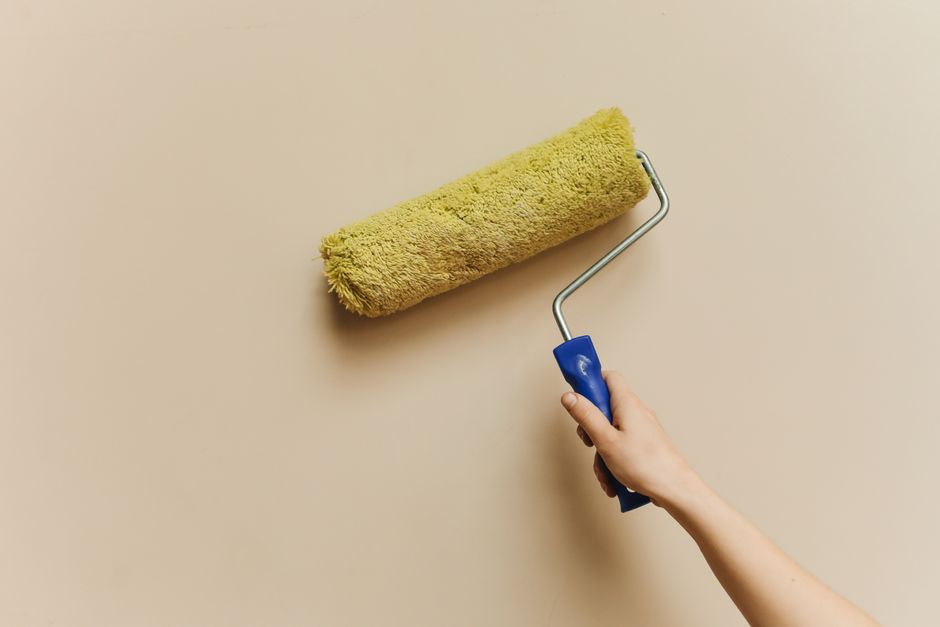
Loading the brush involves more than a simple dip. The bristles must be submerged deep enough to reach the reservoir area near the ferrule. A shallow dip only wets the tips, which accelerates the thinning process. Once the brush is loaded, a light tap against the bucket rim removes excess weight without stripping the perimeter. This ensures that the liquid is held within the structure of the bristles. Frequent reloading prevents the dry-tip effect that ruins a straight line. A brush that is constantly being replenished maintains a more stable volume at the tip.
Correcting Thinning Marks
Once a thin edge is laid, it cannot be fixed by simply adding more paint to the same spot. This creates a heavy ridge or a build up of material. Instead, the entire section must be reloaded and worked in a single continuous motion. If the coverage appears uneven, the section needs a second pass once the first layer is dry. Using two coats ensures that the final sheen is uniform across the entire wall. A consistent application avoids the need for heavy patching or sanding later in the process.