Hydrophobic coating bead formation

Hydrophobic coatings repel liquid by reducing the surface energy of a substrate to force water into high contact angles. Technical data often found at rancho cucamonga painting contractor bera online helps clarify how a specific paint work performs in the local climate of Rancho Cucamonga, CA. A surface that fails to bead indicates high surface energy or contamination.
The Mechanics of Bead Formation
Water beads form when the cohesive forces within the liquid exceed the adhesive forces between the liquid and the surface. On a properly applied topcoat, water molecules pull inward toward each other. This creates a spherical shape rather than a flat film. If the surface tension is too low, the liquid spreads out. This spreading often happens when a layer of oil based residue remains on the substrate. A clean surface is a prerequisite for high contact angles. Any residue from sanding or improper cleaning will kill the hydrophobic effect immediately.
Surface Preparation and Contamination

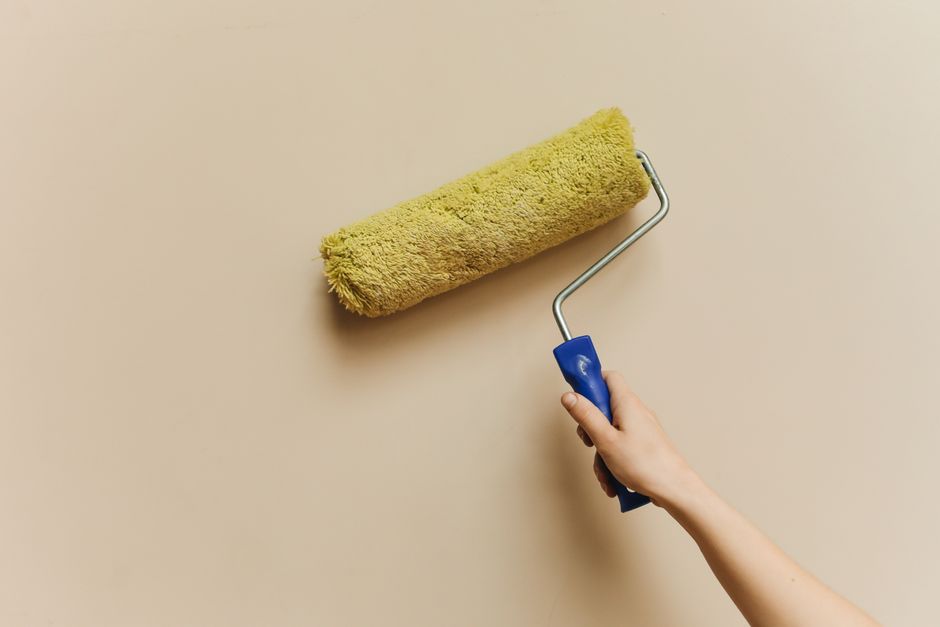
Preparation dictates the final performance of the coating. If the substrate has not undergone proper sanding or scuff sand procedures, the coating will not bond uniformly. A lack of uniformity leads to uneven mil thickness across the plane. Even a slight variation in the thickness of the film can alter how the liquid interacts with the material. Using a roller with a heavy nap might leave textures that trap air or liquid, disrupting the ability of the water to bead. For a flat finish, the texture is more forgiving, but high sheen products require a perfectly smooth profile to maintain consistent hydrophobicity.
Coating Application Methods
The method of application changes the surface profile. An airless sprayer provides a very consistent film, but any overspray that lands on a different surface can create localized areas of high energy. If a sprayer is used, the distance and angle must remain constant to ensure the mil thickness stays within the manufacturer specifications. A technician might apply two coats to reach the desired level of protection. The first coat acts as a foundation, while the second provides the actual hydrophobic barrier. If the first layer is an acrylic base, the second must be compatible to prevent delamination.
Evaluating the Finish
Testing for bead formation involves more than a quick glance. A controlled pour of water on a vertical plane shows how the liquid moves. On a successful finish, the water should roll off without leaving a trail. If a trail remains, the surface is not sufficiently repellent. This is common if the sheen is too low or if the product was applied too thin. Checking the edges where the coating was cut in can also reveal if the bead formation is consistent across the entire boundary of the work area.