Film shrinkage-induced checking
No finish ever stays perfectly stable once the solvents begin to pull, as the observations within the running record rancho cucamonga painting contractor bera online holds show how film shrinkage impacts a fresh repaint in Rancho Cucamonga, CA. A coating layer undergoes physical changes as it transitions from a liquid state to a solid film. This mechanical contraction often leads to checking, which manifests as fine cracks across the surface.
The Mechanics of Film Contraction
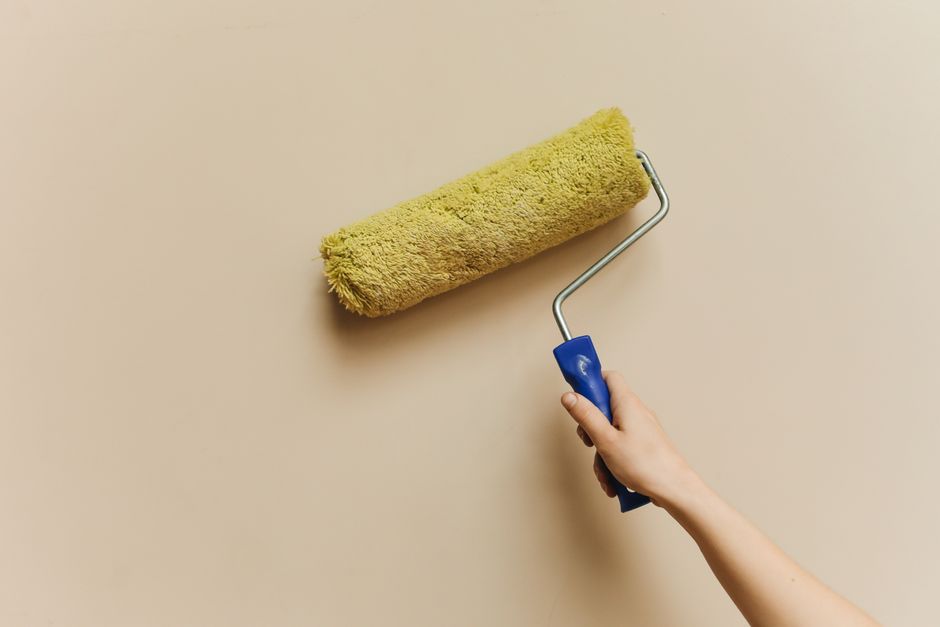
Checking happens when the internal tension of a drying coating exceeds the cohesive strength of the film. As an oil based product or a heavy acrylic dries, the volume decreases. If the topcoat is applied too thick, the surface skin forms before the material underneath has stabilized. This creates a tension gradient. The rapid evaporation of solvents or water pulls the material inward, resulting in micro-fractures. A high mil thickness increases this risk significantly. A heavy application with a thick nap roller often results in a layer that is too deep for the chemistry to handle without cracking.
Environmental Factors in Rancho Cucamonga, CA
Heat and low humidity in Rancho Cucamonga, CA accelerate the drying process. Rapid evaporation causes the surface to lock down prematurely. This prevents the entire film from shrinking at a uniform rate. When an airless sprayer is used to lay down a heavy coat, the surface area exposed to the air dries faster than the substrate underneath. This unevenness is a primary driver for checking. Temperature fluctuations during the curing cycle also force the film to expand and contract, which stresses the bond between the primer and the topcoat.
Material Compatibility and Application
The interaction between layers dictates the structural integrity of the finish. Applying a high sheen enamel over a soft, poorly cured base layer creates a mismatch in flexibility. A satin or semi gloss finish requires a stable foundation. If the primer is not fully dry, the subsequent layers will suffer from shifting volumes. Using a sprayer can sometimes mitigate some issues by providing a thinner, more even distribution, but it can also lead to excessive buildup if the pass speed is too slow. Excessive mil thickness is the most common culprit in these failures.
Remediation and Surface Preparation
Repairing checked film requires more than just adding another layer. The cracked surface must be addressed through mechanical means. Sanding the area is mandatory to level the fractures. A scuff sand followed by patching with spackle or caulk ensures the surface is flat before a new coat is applied. Once the repairs are smooth, applying two coats of a compatible product restores the intended sheen. A new layer of latex or acrylic will only stick if the previous cracks are physically filled and the surface is clean.